imperial bolt sizes in mm
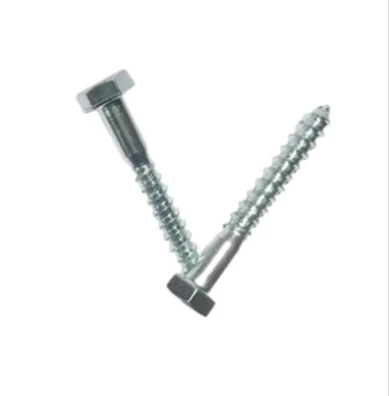
Understanding Imperial Bolt Sizes in Millimeters When it comes to construction, mechanical engineering, or any field that involves fastening components together, understanding bolt sizes is crucial. Although imperial measurements are traditionally used in many countries, the metric system—specifically millimeters—has gained significant popularity due to its simplicity and universal application. In this article, we’ll explore the essential aspects of imperial bolt sizes and their equivalents in millimeters. The Basics of Bolt Sizing Bolts are classified according to their diameter, length, and thread count. In the imperial system, bolt sizes are typically expressed in inches—either as a fraction (e.g., 1/4 inch) or in decimal form (e.g., 0.25 inch). To understand the size of a bolt, it’s vital to know its nominal size, which is the diameter of the bolt. For instance, a 1/4 inch bolt has a nominal diameter of 0.25 inches. When converting imperial bolt sizes to metric sizes, particularly to millimeters, the conversion factor to remember is that 1 inch equals 25.4 millimeters. Thus, to convert an imperial measurement to millimeters, you simply multiply the inch measurement by 25.4. For example, a 1/4 inch bolt converts to approximately 6.35 mm (0.25 inches × 25.4 mm/inch). Common Imperial Bolt Sizes and Their Metric Equivalents Understanding the common sizes of imperial bolts and their corresponding millimeter measurements can be beneficial for engineers, machinists, and DIY enthusiasts . Below is a list of some frequently used imperial bolt sizes along with their metric equivalents - 1/4 inch (0.25 inch) 6.35 mm - 5/16 inch (0.3125 inch) 7.94 mm - 3/8 inch (0.375 inch) 9.53 mm - 7/16 inch (0.4375 inch) 11.11 mm - 1/2 inch (0.5 inch) 12.70 mm - 5/8 inch (0.625 inch) 15.88 mm - 3/4 inch (0.75 inch) 19.05 mm - 7/8 inch (0.875 inch) 22.23 mm - 1 inch (1.0 inch) 25.40 mm imperial bolt sizes in mm These conversions are particularly useful when working with a mix of imperial and metric components in projects, ensuring compatibility and minimizing errors. Considerations When Using Bolt Sizes While conversion between imperial and metric is relatively straightforward, there are a few considerations one should keep in mind 1. Thread Pitch Bolt sizes are not limited to diameter alone; thread pitch is another crucial factor. In imperial bolts, thread pitch is defined as the number of threads per inch (TPI). For example, a 1/4 inch bolt may have 20 TPI (¼-20), which has implications for compatibility with nuts and other fasteners. When working with metric bolts, thread pitch is expressed in millimeters, which corresponds to the distance between threads. 2. Material and Strength Bolts come in various grades, which indicate their material composition and tensile strength. While imperial bolts might be labeled with grades like SAE or ASTM, their metric counterparts correspond to ISO standards. It's important to choose the correct grade to ensure structural integrity. 3. Tools and Equipment When working with imperial bolts, it’s essential to use the appropriate tools, such as imperial wrenches and sockets. Conversely, when using metric bolts, metric tools are required. Mixing tools can lead to damage to both the fasteners and the tools themselves. Conclusion Understanding imperial bolt sizes and their equivalents in millimeters is essential in today’s globally connected world. Whether you are a professional engineer, a construction worker, or a hobbyist, having a good grasp of bolt sizes can help ensure that your projects are executed smoothly and effectively. With the provided conversions and considerations, you can confidently navigate the complexities of size and compatibility in your work. The ability to bridge the gap between imperial and metric systems is not just a practical skill; it fosters precision and efficiency in any fastening endeavor.











 English